Dash To The Depot Kids Run
8:00 AM Start
The Rail Runner 5K*10K
8:15 AM Start
Sunday, June 14, 2026
Illinois Railway Museum
7000 Olson Road
Union, IL
Presented by
Illinois Railway Museum
Benefitting the IRM
Tracks To Tomorrow Campaign
Tracks To Tomorrow is our call to invest in the future of history, ensuring that generations to come can experience, learn, and be inspired by the power of the rails. The direct result of the Tracks To Tomorrow campaign will be a brand new Visitors Center Entrance Building at IRM.
Registration fees
Where pricing applies, shown amounts include mandatory charges, items, and fees.
5K Run/Walk Closed
Online registration closed-
-
$44.79
Early Bird
Mar 15 – Mar 31 -
$55.49Apr 1 – Jun 6
-
$66.18Jun 7 – Jun 14
-
10K Run Closed
Online registration closed-
-
$44.79
Early Bird
Mar 15 – Mar 31 -
$55.49Apr 1 – Jun 6
-
$66.18Jun 7 – Jun 14
-
Dash to the Depot Kids Dash Closed
Age 10 and under
-
$18.04Mar 15 - Jun 14
Family Add On Closed
Register here as a "non-runner" adult and up to three children (under 18) for admission the museum the day of the race.
-
$55.49Mar 15 - Jun 14
Race Details
Pre Race Day Packet Pick Up
Saturday, June 13, 2026
1PM - 3PM
Illinois Railway Museum
Free admission to the museum in the afternoon for runners and families!
Race Day Registration and Packet Pick Up
7:00 AM
Dash to the Depot Kids Race
8:00 AM
5K & 10K Start
8:15 AM
- Age Group Awards (1st, 2nd, 3rd Men/Women)
- 13 and under
- 14-18
- 19-29
- 30-39
- 40-49
- 50-59
- 60-69
- 70 and over
- Finisher Awards for all participants in Dash to the Depot
- Recommended for children 10 and under
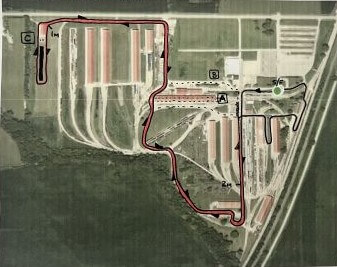
Race Course
5K/10K Course
Proceeds from the Race
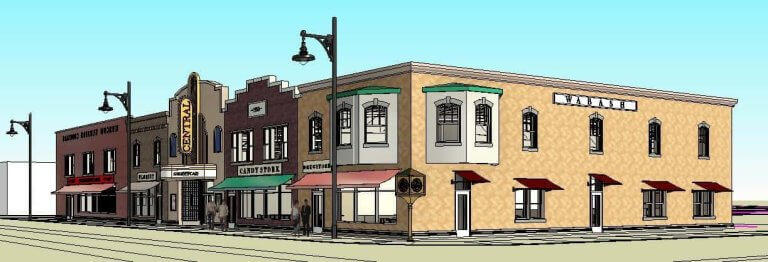
All proceeds from The Rail Runner 5K/10K support IRM's Tracks to Tomorrow Campaign. This campaign seeks to build a new Entrance Building to the museum, which will be the literal and symbolic gateway to the Illinois Railway Museum. The Entrance Building is designed as a two-story, 36,000 square-foot hub that includes: interactive exhibits telling the story of innovation and community, educational classrooms for school and group program, climate-controlled gallery space, and consolidated operations for efficiency and sustainability.
Spend the day with us!
IRM gift shop will be open with a selection of apparel, toys and games, and railroad memorabilia.
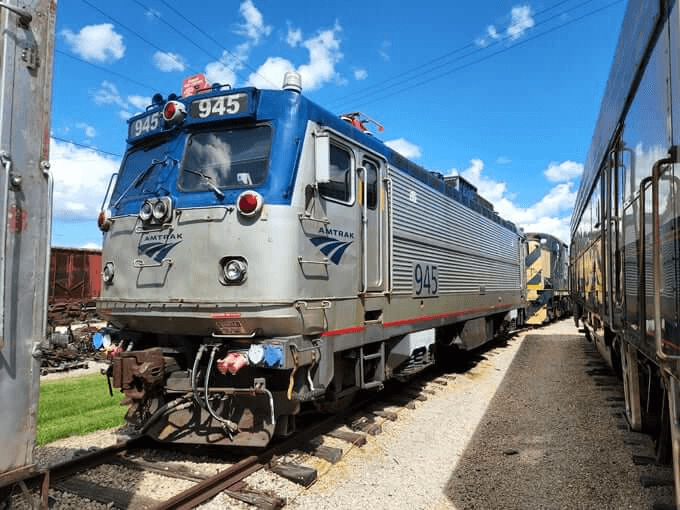
After completing the race, stay to explore the museum grounds, including five display barns of historic railroad equipment, complimentary train rides, the large model railroad exhibit, and a visit to the Central Diner.
Illinois Railway Museum
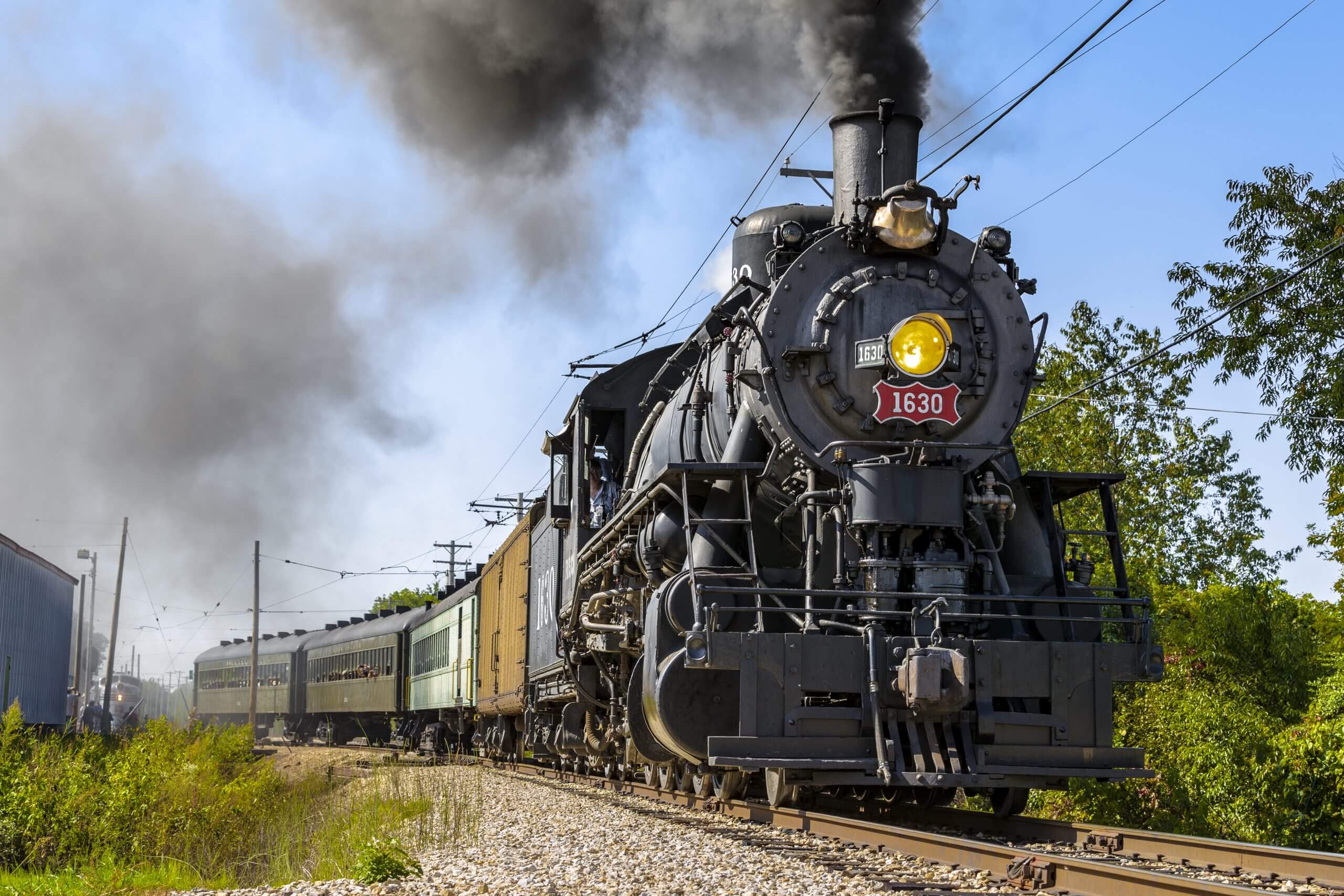 |
History The Illinois Railway Museum was founded in 1953 by ten men who each contributed $100 to purchase Indiana Railroad 65, an interurban car that had just been retired and was in imminent danger of being scrapped. The museum’s origins, however, actually go back further. In 1907 the Elgin & Belvidere Electric Railway, controlled by electric railway engineering expert Bion J. Arnold, opened for business. It was an electric interurban line paralleling the Chicago & North Western Railroad between the two cities in its name. One of its claims to fame was that it built the world’s first fully automatic substation in the town of Union. The E&B continued in operation until 1930, when automobile competition and the onset of the Depression drove it into bankruptcy. The tracks were torn up soon thereafter and the interurban cars were scrapped. When IRM was founded in 1953 it was sited on the grounds of the Chicago Hardware Foundry in suburban North Chicago, along the tracks of the Chicago North Shore & Milwaukee interurban line. It was initially known as the Illinois Electric Railway Museum but the “Electric” was removed in 1962. Following acquisition of car 65 the collection continued to grow, reaching some 40 pieces of equipment by 1964. By that time the museum had outgrown its cramped space at the foundry and it relocated to an empty field east of Union. The reason this site was chosen was because the long-abandoned right-of-way of the E&B could be cheaply acquired simply by paying the back taxes. Initially a mile and a half of right-of-way and a small 26-acre plot where the depot now sits were purchased. The collection of 40 pieces of equipment was transported to Union in 1964. Over the 60 years since, IRM has expanded steadily. The first electric car operated in 1966 and the first steam engine ran in 1968. The depot was moved from its original location in nearby Marengo in 1967, the first of 13 storage barns was built in 1972, and the streetcar loop was completed in 1981. Visitor amenities were improved with the opening of the Central Diner in 2003, the Schroeder Store in 2017, and the Multi-Purpose Building in 2021. The collection of historic equipment has grown over tenfold, to over 500 pieces of historic railway and transit equipment. The size of the developed property has expanded to 100 acres while the main line railroad has been extended to include nearly five miles of the former E&B right-of-way. Nearly four miles worth of track are now under cover, providing protected storage for the vast majority of the historic collection of trains. Today The Illinois Railway Museum is a 501(c)3 not-for-profit organization which is owned entirely by its volunteers. The museum receives no state or federal money for its operations. All capital and operating costs are paid by individual donations and revenue derived from tickets and on-site sales. The lifeblood of the museum is its volunteers. All train operation and the vast majority of restoration work done on the historic collection is performed by volunteers. The museum welcomes anyone, 18 years or older, who is interested in trains or history, or is looking for a hobby or a place they can make a difference. Most of the volunteers at IRM are not professional railroaders; the museum counts men and women who are electricians, lawyers, teachers, construction workers, doctors, and members of many other professions among its volunteer ranks. The museum is organized into a number of departments, nearly all of them led by a volunteer curator. These departments include equipment departments, such as Electric Car, Steam, Diesel, and so on; facilities departments, such as Buildings & Grounds, Track & Signal, and Overhead Line; education-oriented departments, such as Libraries and Exhibits; and the Operating Department, which oversees actual train operations. Volunteers perform work in one or more departments which is overseen by that department’s curator, with two General Managers overseeing the activities of the department curators. The General Managers report directly to the museum’s Board of Directors, which is elected from the ranks of working volunteers. The museum’s management and workers are united in a shared vision: to work towards the goals set out in the museum’s mission statement and to make the Illinois Railway Museum the premier rail history organization in America. |
Contact information
- Event contact
- Tricia Menke
- Phone
- 815-923-4391 X469
- Website
- Visit website